
Trayvon’ll never get to be an older man
Black children, they childhood stole from them
Robbed of our names and our language, stole again
Who stole the soul from black folk?
Same man that stole the land from Chief Black Smoke
—Common
American rapper, actor, narrator and writer
From “Black America Again,” 2016
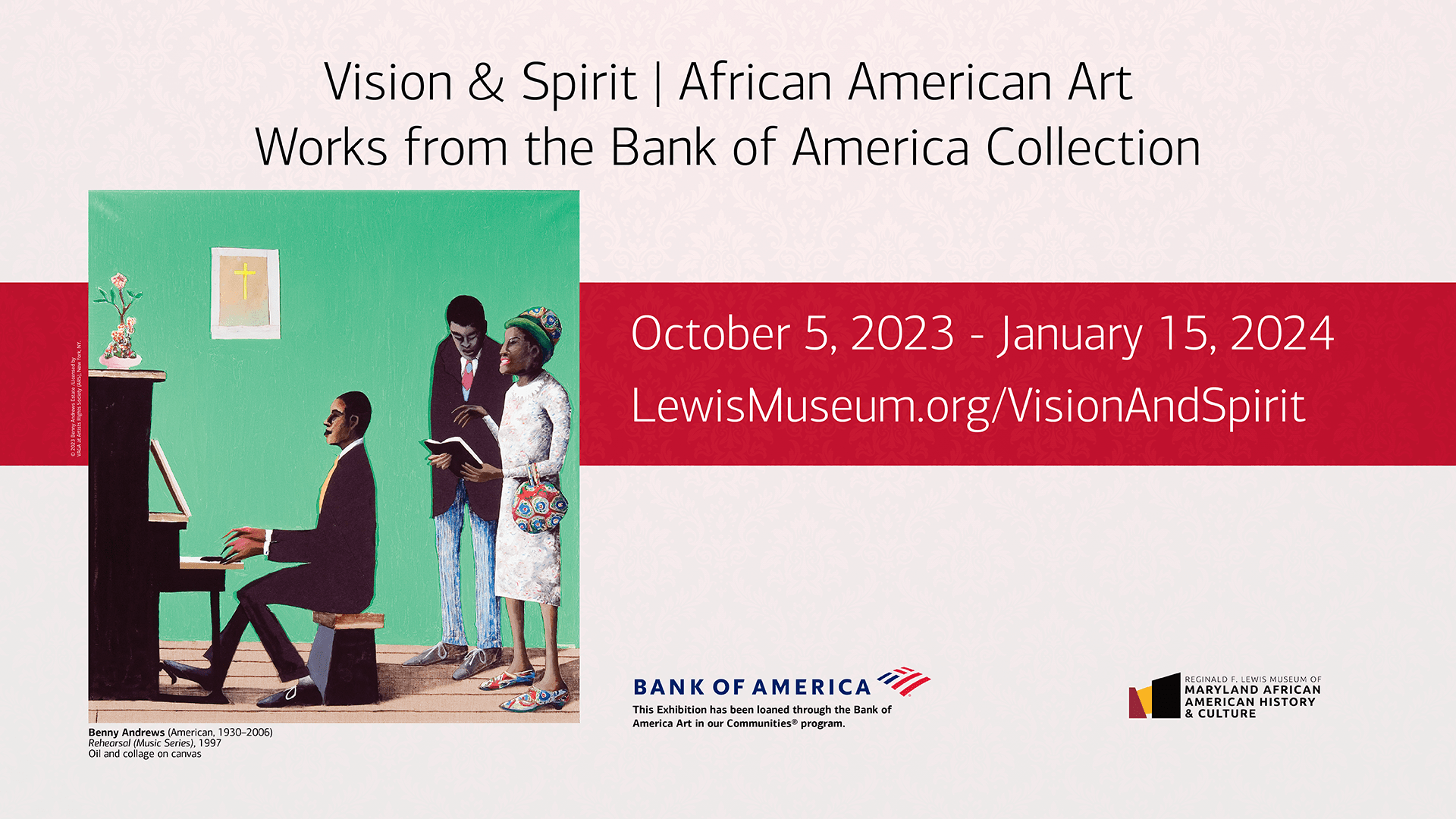
Vision & Spirit | African American Art: Works from the Bank of America Collection is composed of more than 100 paintings, prints, drawings, photographs, and mixed-media works by 48 artists born in the nineteenth and twentieth centuries. The exhibition highlights key aspects of these artists’ lives, as well as the important objects they created. Vision & Spirit focuses on these talented individuals’ strength and spirit as creative forces whose work continues to shape our understanding of the world.
The wide variety of artists represented in the exhibition look forward, contribute to progress and guide the visitor toward greater equity and understanding. The theme of Vision & Spirit is resilience and demonstrates how African American artists have embodied this quality in their work. The exhibition explores the meaning of resilience: Is it perseverance? Is it staying power, or is it something much deeper? Resilience embodies strength and humanity.
Artists in the exhibition include Henry Clay Anderson, Chelle Barbour, Romare Bearden, Dawoud Bey, Willie Cole, Murry DePillars, Jacob Lawrence, Whitfield Lovell, Gordon Parks, Faith Ringgold, Jamel Shabazz, and James VanDerZee.
Artists have always mattered. Whether it’s Lorna Simpson, whose work challenges narrow, conventional views of identity, history and memory using the African American woman as a visual point of departure, or Dewey Crumpler, whose examinations of the lure of contemporary pop culture in his mixed-media works explore global consumer capitalism, they inspire other artists to push forward and develop new ideas.
Vision & Spirit inspires viewers to go on a journey of revelation and discovery. Passion, ingenuity, and beauty are brought forth by the creative geniuses in this exhibition. Art is a two-way conversation; viewing art is not a passive act. The artist speaks through their work, and, by way of their experience, the viewer has the opportunity and privilege to listen, reflect and to be transformed.
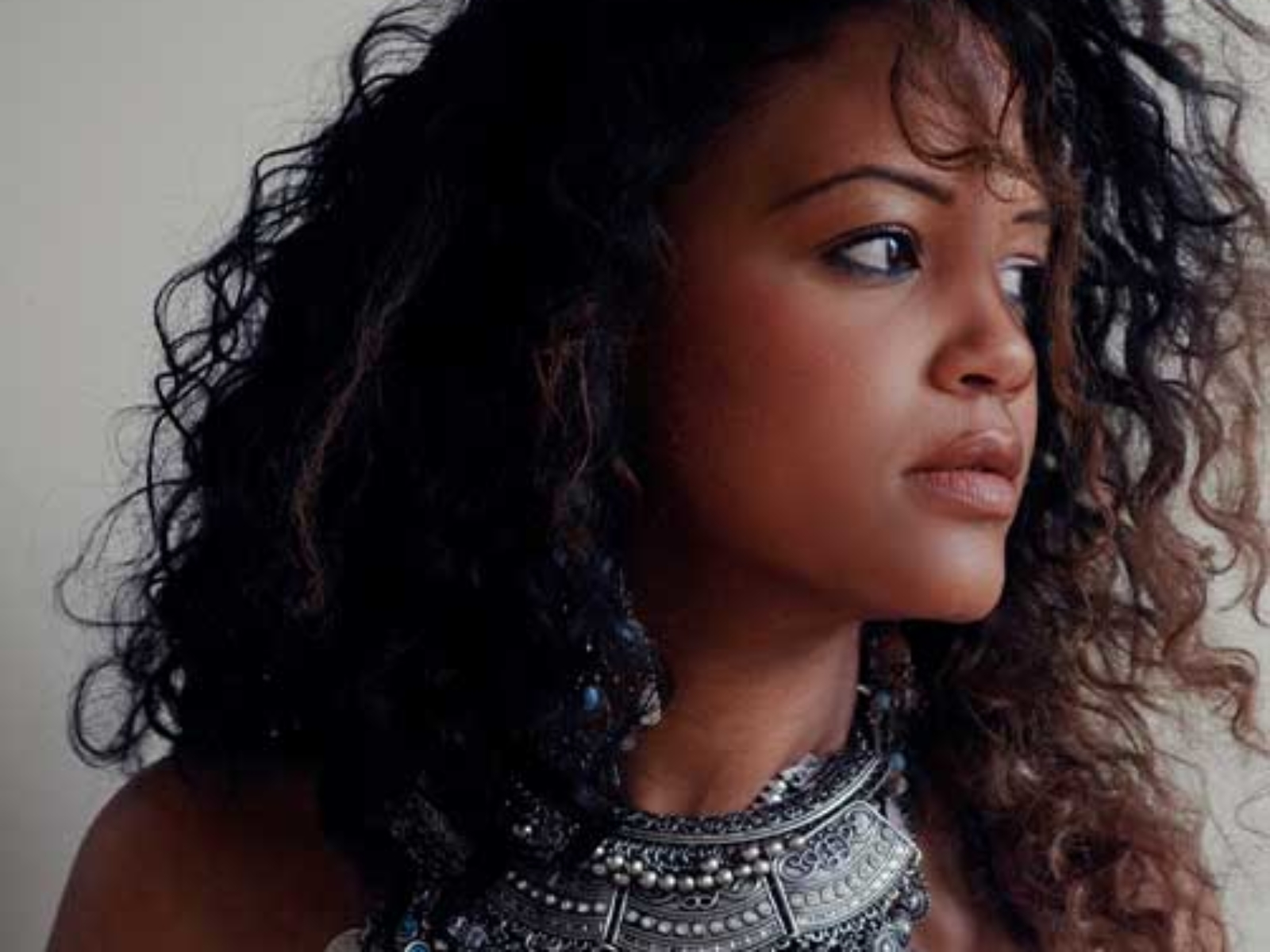
Museum Collection:
Minneapolis Institute of Art
Microsoft Corporate Collection
Petrucci Family Foundation Collection of African American Art
University of Maryland Global Campus
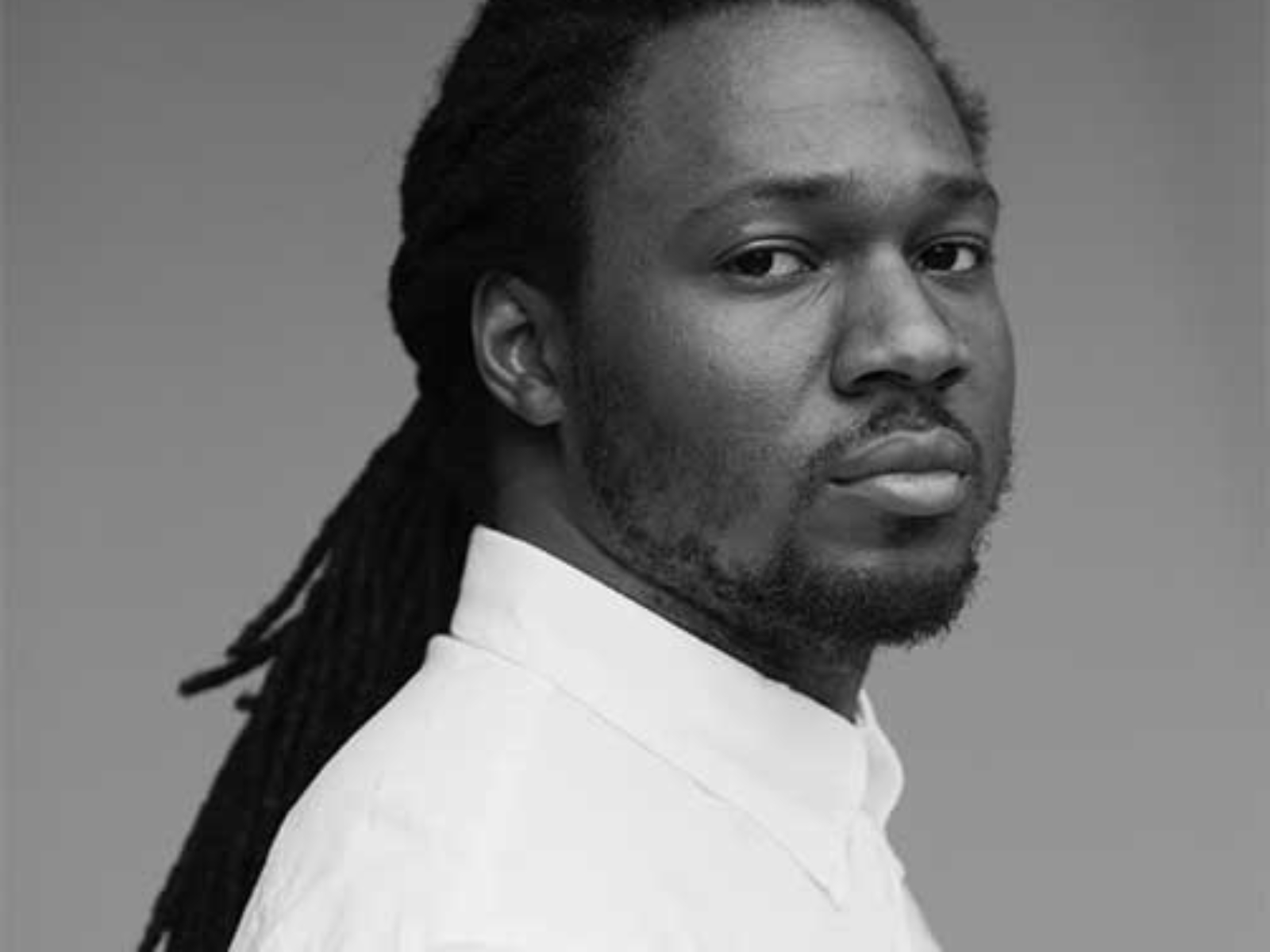
Museum Collections:
Baltimore Museum of Art (promised gift)
Museum of Modern Art
Harvard Art Museums
Museum Collections (selected):
Pérez Art Museum Miami (PAMM)
UK Contemporary Art Society, Plymouth Box Museum
Petrucci Family Foundation Collection of African American Art
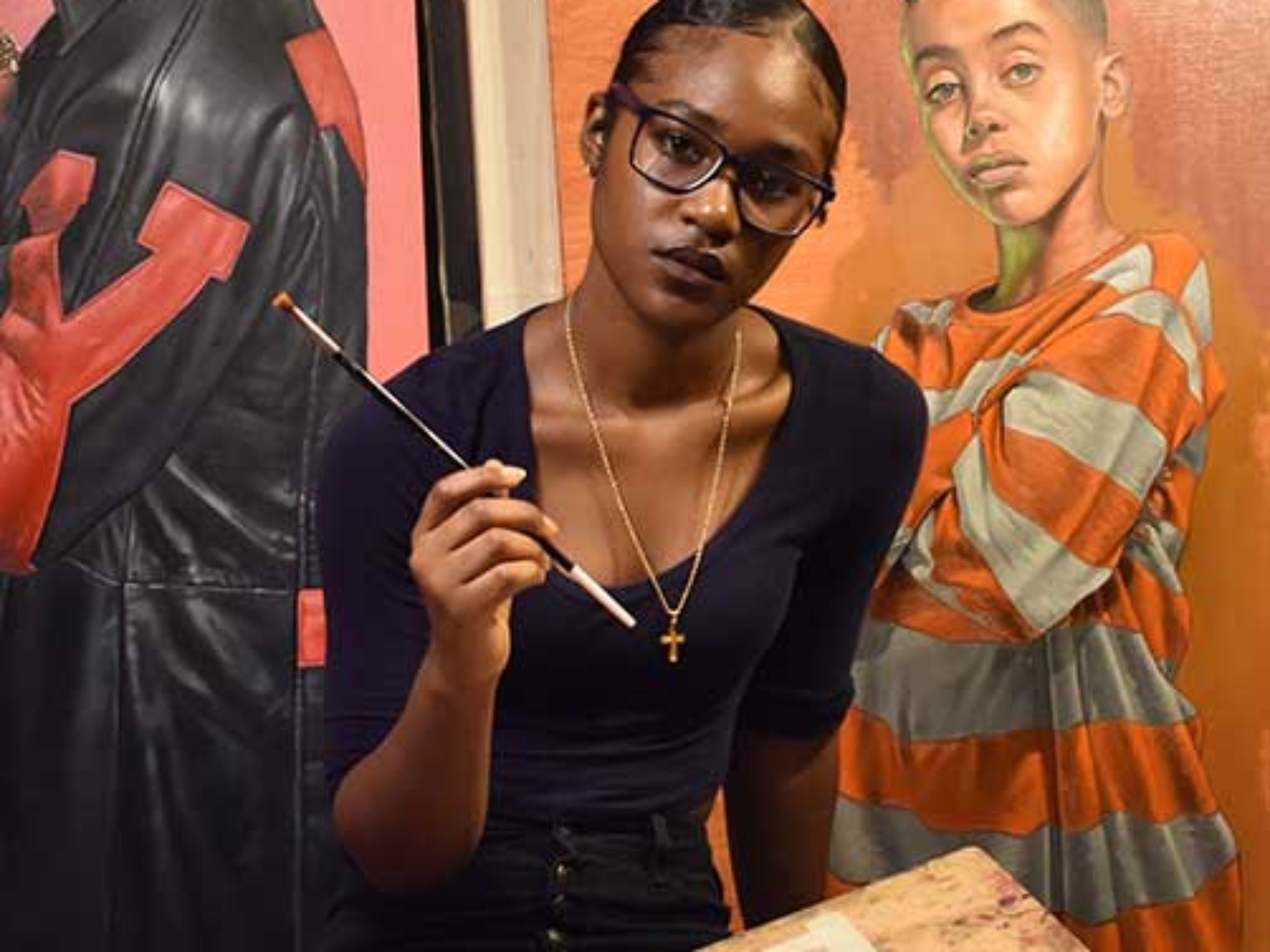
Museum Collection:
Petrucci Family Foundation Collection of African
American Art
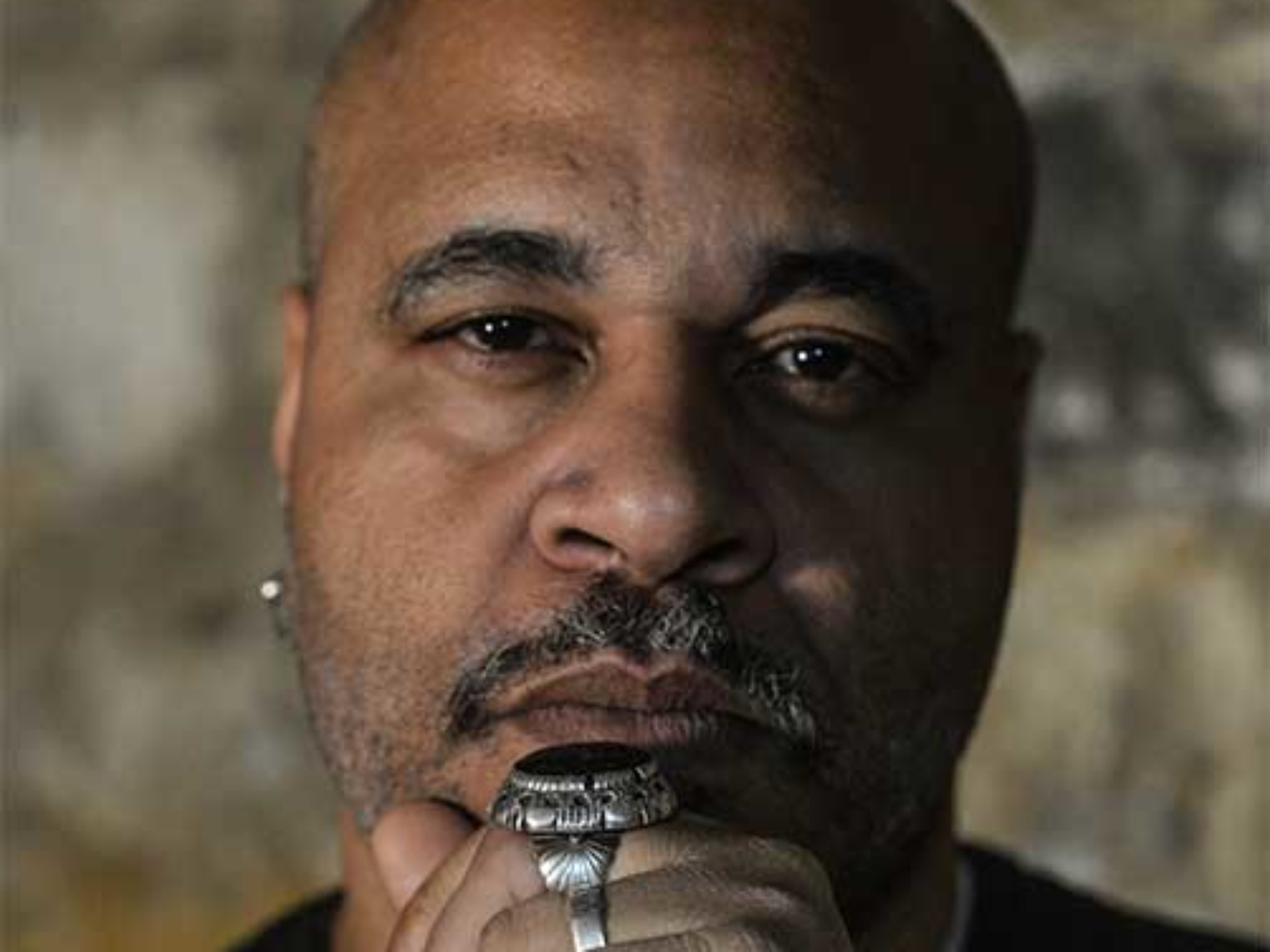
Museum Collections:
The Hampton University Museum
The Schomburg Center Research in Black Culture
Embassy of Oslo Norway, Arts in Embassies Program

Museum Collections (selected):
Crystal Bridges Museum
Minneapolis Institute of Art
Minnesota Museum of American Art
National Museum of Women in the Arts
Library of Congress
The Studio Museum in Harlem
Petrucci Family Foundation Collection of African-American Art
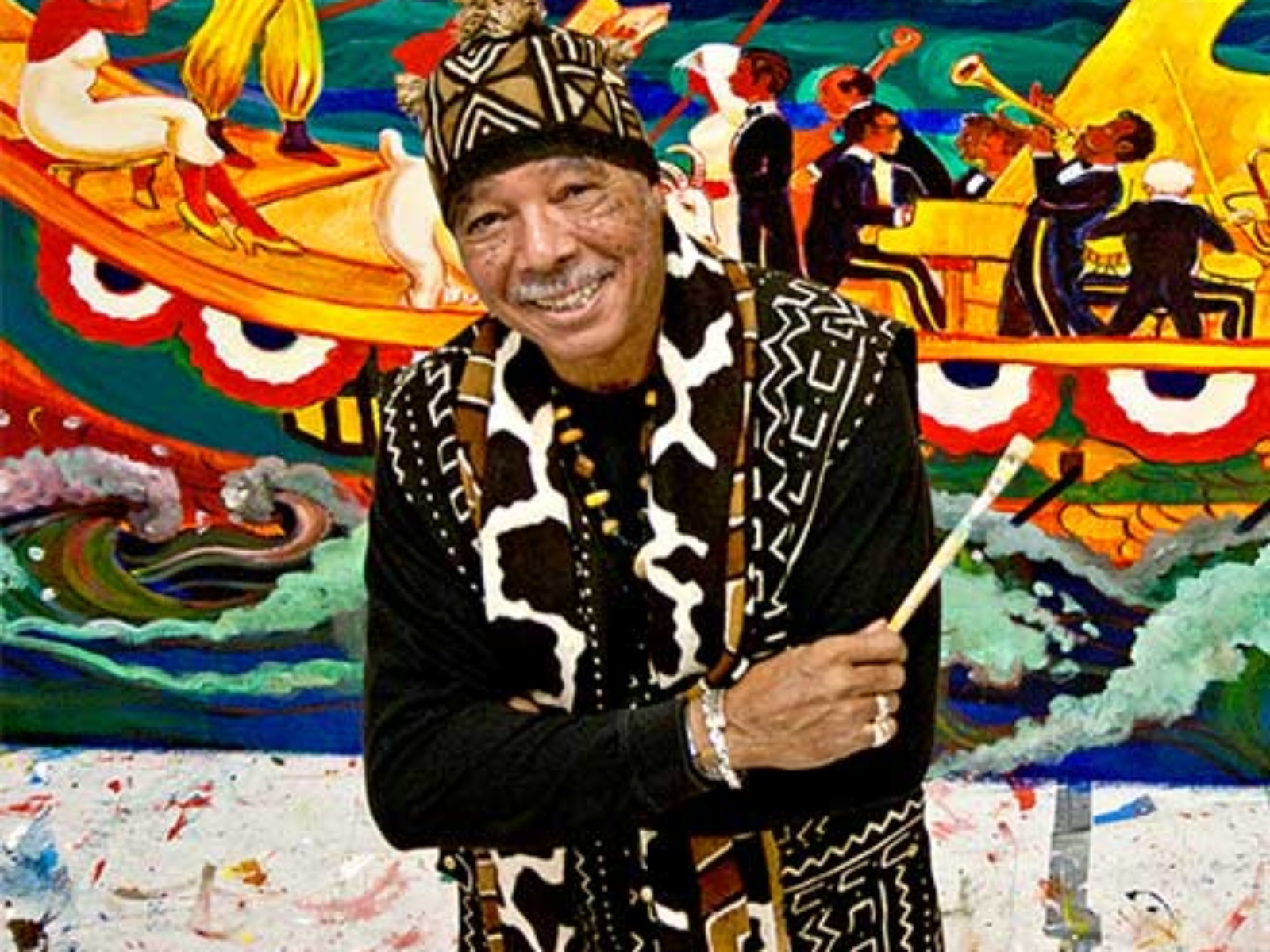
Museum Collections (selected):
Delaware Museum of Art
Hallie Ford Museum of Art
Petrucci Family Foundation Collection of African American Art
Portland Art Museum
Reginald F. Lewis Museum
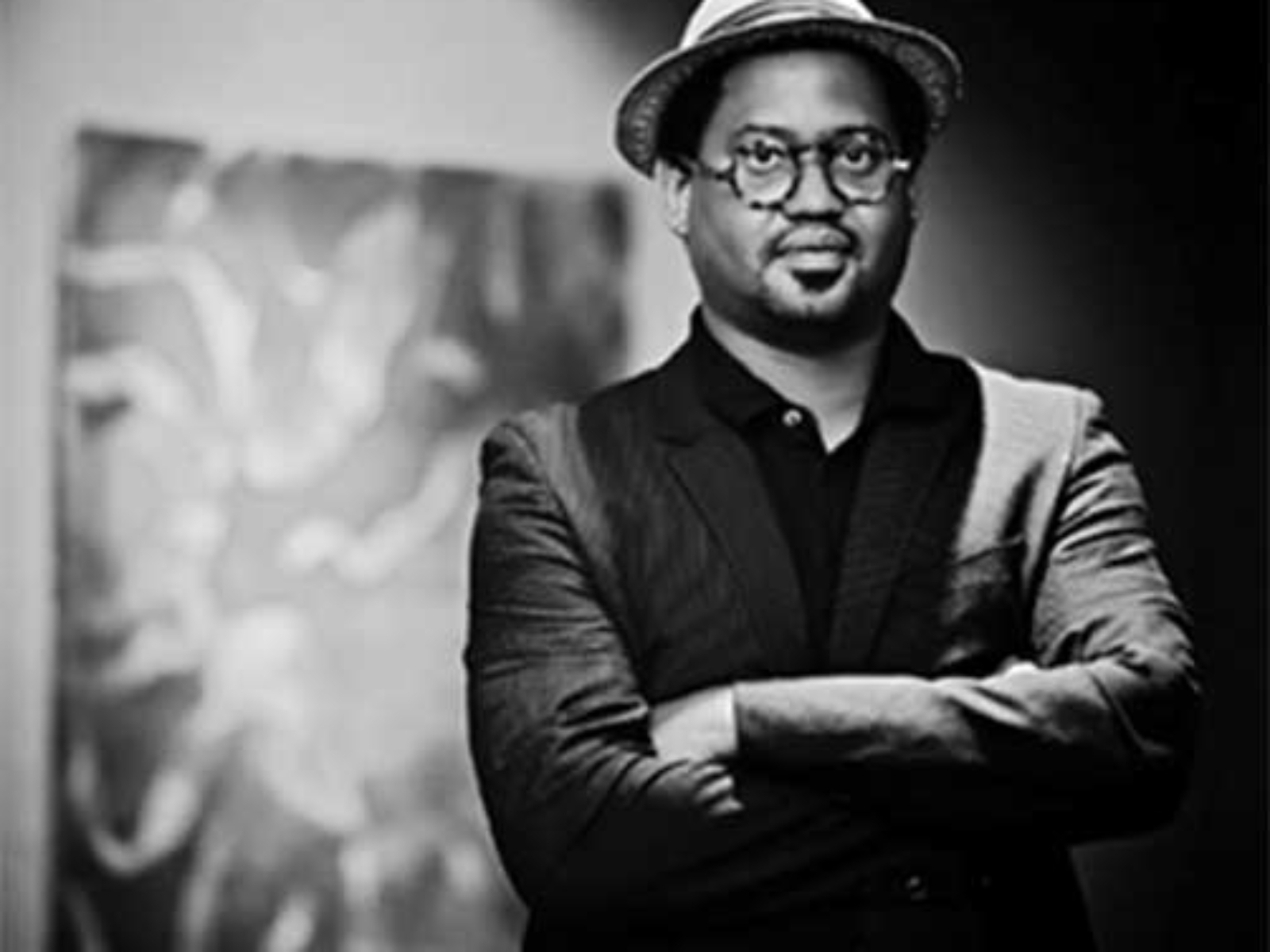
Museum Collections (selected):
Aspen Museum of Art
Petrucci Family Foundation Collection of African American Art
Smith Robertson Museum
Studio Museum of Harlem
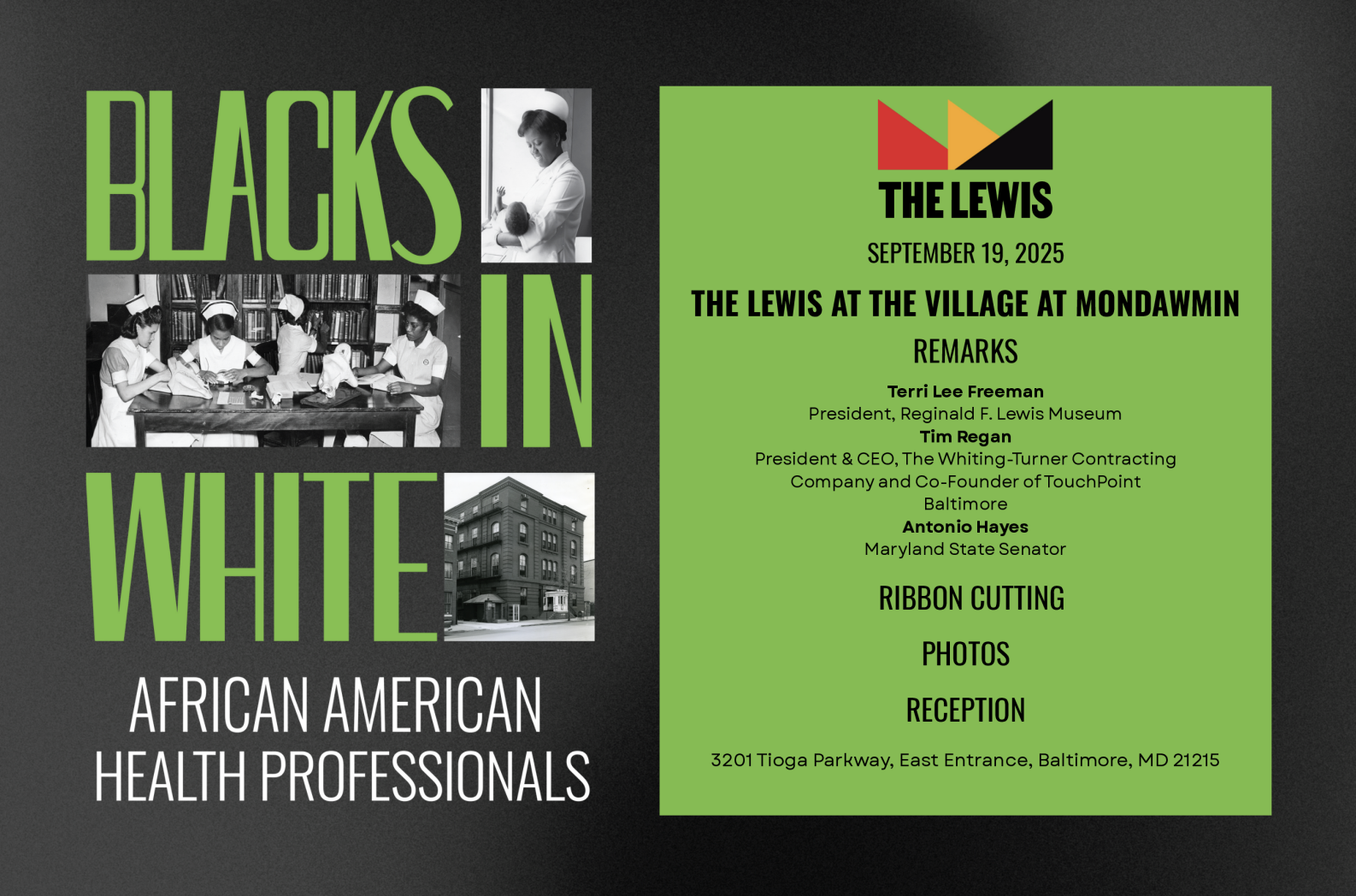
The Reginald F. Lewis Museum is proud to announce the opening of its newest touchpoint satellite gallery exhibition on September 19, 2025 at The Village at Mondawmin!
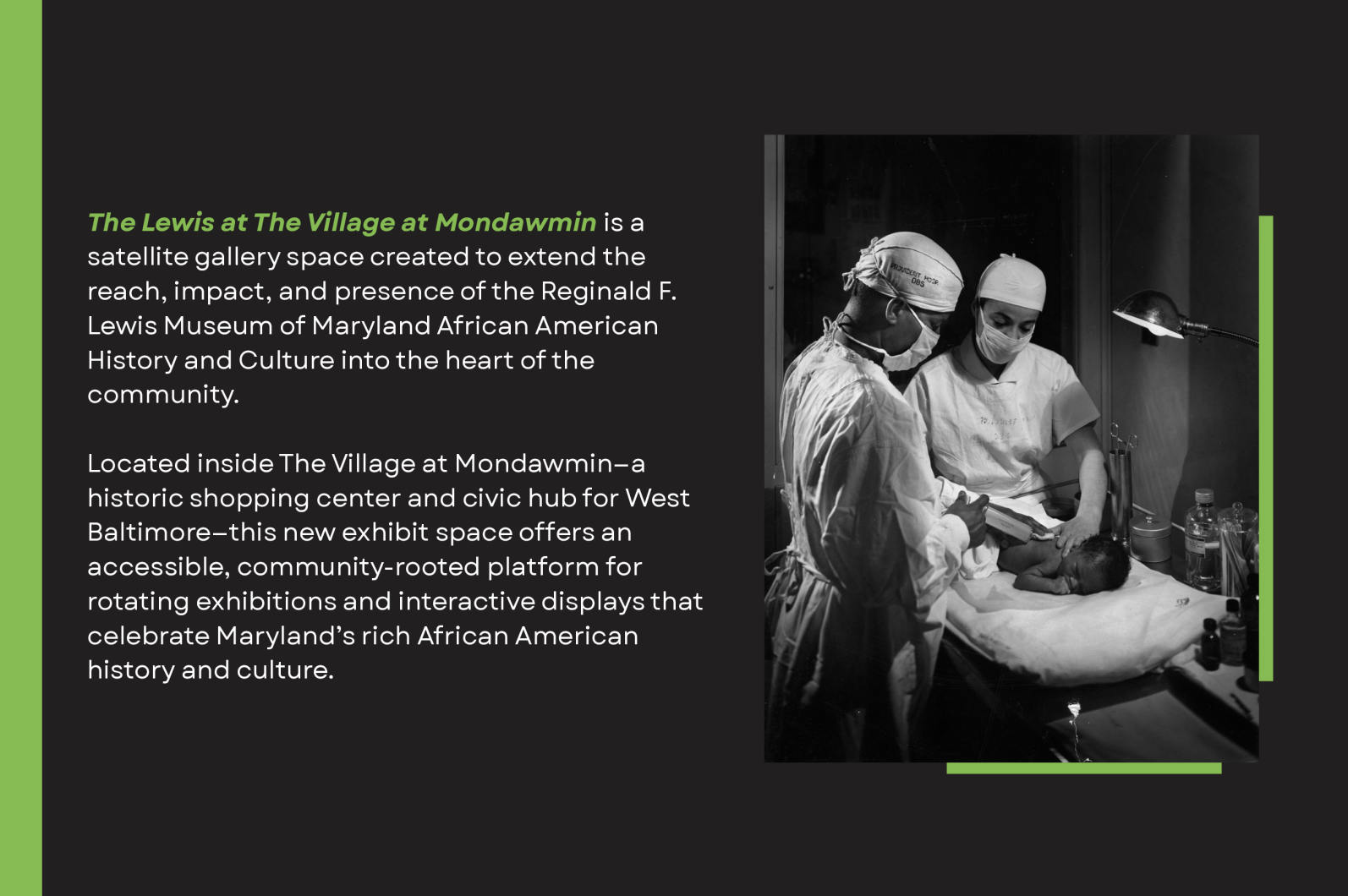
Blacks In White: African American Health Professionals is a powerful exhibition that highlights the extraordinary contributions of African American health professionals whose dedication, innovation, and service transformed the field of medicine and enriched our communities.
Location: The Village at Mondawmin, 3201 Tioga Parkway – East Entrance, Baltimore, MD 21215
We invite you to explore the stories, images, and artifacts that shed light on a legacy of excellence in health care that continues to inspire generations. The satellite exhibition is now on view and open to the public. Stop by The Village at Mondawmin and experience this important celebration of history and healing.
Join us as we honor the strength, resilience and brilliance of Black health professionals