
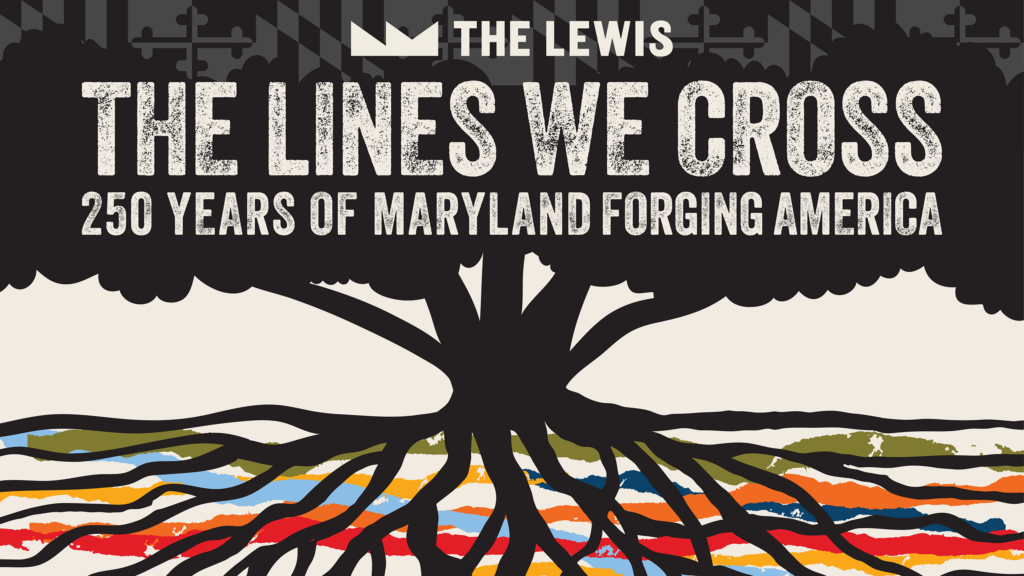
BALTIMORE — August 3, 2026 — As the nation commemorates America’s 250th anniversary, the Reginald F. Lewis Museum of Maryland African American History & Culture invites visitors to move beyond celebration and into conversation. THE LINES WE CROSS: 250 Years of Maryland Forging America offers a powerful new perspective on the American story through the lives and legacies of Black Marylanders whose courage, creativity, and perseverance helped forge the nation.
The exhibition is an evocative experience with significant artifacts, including Billie Holiday’s iconic blond piano. It explores the stories of Black Marylanders whose contributions helped shape the social, cultural, and political landscape of America.
THE LINES WE CROSS is made possible through the generous support of Bank of America, the Baltimore Community Foundation, and the Maryland 250 Commission. The exhibition will remain on view through October 31, 2027.
The timing of the exhibition is intentional. While many America 250 commemorations focus on celebration, THE LINES WE CROSS opens as those festivities begin to quiet—creating space for reflection.
“THE LINES WE CROSS invites visitors to explore the extraordinary ways Black Marylanders forged this nation through courage, innovation, creativity, and perseverance. We intentionally open this exhibition as the celebrations begin to quiet because that’s when reflection can truly begin,” said Terri Lee Freeman, President of the Reginald F. Lewis Museum of Maryland African American History & Culture. “When the celebration is over, truer conversations can begin. We hope every visitor leaves with a deeper understanding that Black history is American history, and that our freedom has always been—and continues to be—unfinished work.”
As a border state below the Mason-Dixon Line, Maryland was a unique landscape where freedom and slavery coexisted. Black Marylanders creatively navigated these boundaries, crossing literal and symbolic lines to build communities, claim their lives, and push the nation toward its ideals.
THE LINES WE CROSS is a multi-level experience spanning three floors of the museum’s galleries. The exhibit traces how Black Marylanders pushed boundaries, broke systems, and helped shape the social, cultural, and political landscape of America.
Visitors will experience the exhibition through three distinct themes:
TO BREAK: Abolition (Floor 1)
Step into a landscape of resistance. From the literacy of Frederick Douglass to the tactical brilliance of Harriet Tubman, discover how Maryland became a geography of escape and liberation.
TO BUILD: Artisans (Floor 2)
Celebrate the skill and innovation that built our foundations. Witness the power of the hand and the tool in shaping Maryland’s infrastructure while exploring the artistry, craftsmanship, and entrepreneurship that strengthened communities across the state.
TO BECOME: Artistic Expression (Floor 3)
Experience the shift from survival to imagination. Explore how lived experience was transformed into art, music, and vision by icons including Billie Holiday and others whose creativity continues to shape American culture. Among the exhibition’s featured artifacts is Billie Holiday’s iconic blond piano, offering visitors a rare connection to one of Maryland’s most influential cultural figures.
More than a history exhibition, THE LINES WE CROSS is a baton passed to the present. It invites visitors to explore the struggle, creativity, resilience, and courage of the generations who forged America while reflecting on the work that remains today.
The exhibition is included with regular museum admission.
To schedule an interview request or more information, please contact: Tramon Lucas | Communications & External Relations Manager at tramon.lucas@lewismuseum.org / 443-806-4531.
###
About the Reginald F. Lewis Museum
The Reginald F. Lewis Museum of Maryland African American History and Culture documents, interprets, and preserves the complex experiences, contributions, and culture of Black people in Maryland. The Museum serves as a catalyst for sustained change by providing programs, exhibitions, and bold conversations that educate and challenge.